
"India Malabar"
200 article(s) found

Introduction of coffee beans and some boutique coffee in the main producing areas of coffee beans in the world (4)
Introduction of coffee beans and some boutique coffee in the main coffee producing areas of the world: Asia and Arabian Peninsula
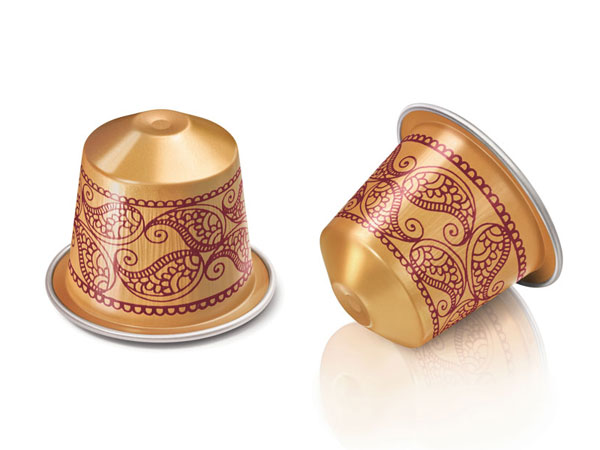
Nespresso new limited edition Malaba monsoon coffee capsule
Committed to bringing an extraordinary coffee experience to coffee lovers around the world, Nespresso continues to bring forth the new, presenting the much-anticipated limited edition selected coffee capsules, and continues to create surprises for Nespresso club members and coffee lovers to experience unparalleled cups in a new aroma and taste. New limited edition Malaba monsoon (Monsoon Malabar)

Indian Coffee Manor Arab Plantation Coffee
The best Indian coffee is also classified as Arabian plantation coffee, with the best grades A, B, C and T. Monsoon coffee is divided into high-quality Malabar (Monsooned MalabarAA grade coffee) and monsoon Bassanicoli (Monsooned Basanically) coffee. India also produces some bean-shaped berry coffee. At present, the problem facing the coffee industry is bureaucracy.

Introduction of Indian style Malaba Flavor detailed introduction of Wind stain treatment and its effect on Coffee Bean
Parwati Coffee (Wind-stained Malaba) the most famous beans in India are Monsooned Malabar and Mysore Nuggets Extra Bold, which means monsoon, so it is also known as monsoon Malaba. In the past, raw coffee beans from India were all exported to Europe, raw in the process of shipping.

Is there any coffee in India? How did Indian style-stained Malaba coffee beans come from? Unique wind stain treatment method
Professional coffee knowledge exchange more coffee bean information please follow the coffee workshop (Wechat official account cafe_style) is there coffee in India? How did Indian style-stained Malaba coffee beans come from? What is the unique wind stain treatment method? Monsoon coffee is also a famous coffee in India. Coffee is placed in an open warehouse by the sea, which is hit by the monsoon, which makes the volume of coffee expand and

Flavor and taste of Indian coffee treated by monsoon
As early as the time of the British Oriental Trading Company, coffee and spices were transported from India to large wooden ships near the Cape of good Hope. The journey took months, and the coffee was exposed to moist air and wind, changing its characteristics. The coffee turns light golden, expands, loses acidity, and has an earthy taste. Europeans like this kind of coffee and are addicted to its taste. Sue

Indian Coffee-Mystery Coffee of Mystery Country
Indian coffee is loved by coffee lovers for several reasons, but the most important is due to a process applied to coffee beans, commonly known as monsoon in R. In the past, passengers or cargo travelling to and from India on sailboats took months to reach Europe. The taste of raw coffee beans during transportation due to high air humidity

Coffee appreciation Handbook Indian monsoon coffee beans treated by monsoon
Throughout the process, we can see that the taste of a cup of coffee can not be determined by a single link. Only when each link is handled properly can a cup of delicious, smooth and fragrant coffee appear in front of coffee drinkers. On the other hand, if anything goes wrong, it will completely destroy a cup of coffee information from the Coffee appreciation Handbook.
Coffee origin Indian monsoon Malaba coffee Indian "monsoon coffee" coffee characteristics
Before the Indian monsoon Malaba Coffee, a tweet about the history of coffee species: it is amazing that 90% of the world's coffee originated from the same coffee tree! It was said that coffee originated in Ethiopia, and Arab businessmen brought it to Yemen, and then a thousand years later, because of a legendary love story, a Yemeni woman risked death to give coffee seeds to the prince of India.
The most popular coffee in Asia, Indian coffee.
Slippery and delicious coffee with uniform granules. There are several reasons why Indian coffee is so popular with coffee hobbies, but the most important one is a process used in coffee beans, often called the monsooning process. In the past, passengers or goods sailed to and from India, which took about several months to reach Europe. In transit due to
Raw bean treatment: typical air-drying process Indian monsoon coffee treatment, Indian coffee history
Before the Indian monsoon Malaba Coffee, a tweet about the history of coffee species: it is amazing that 90% of the world's coffee originated from the same coffee tree! It was said that coffee originated in Ethiopia, and Arab businessmen brought it to Yemen, and then a thousand years later, because of a legendary love story, a Yemeni woman risked death to give coffee seeds to the prince of India.

Coffee Bean Brand Coffee Coffee Origin
India: Malabar, Karnataka, Tellichery Yemen: Mocha Sanani, Mattari Indonesia: Java, Mandheling, Ankola, Kopi Luwah Mexico: Coatepec, Huatus

How many kinds of coffee beans are there? what are the African beans?
Kenya: Kenya AA India: Malabar, Karnataka, Tellichery Yemen: Mocha Sanani, Mattari Indonesia: Java, Mandheling, Ankola, civet Coffee Mexico: Coatepec

Iron pickup coffee beans iron pickup coffee characteristics what is the variety of blue mountain coffee
Professional coffee knowledge exchange more coffee bean information Please follow Coffee Workshop (Wechat official account cafe_style) Typica, which originated from Yemeni descent, was first brought to Malabar, India, and later brought to Indonesia by the Dutch. Later, it went to the French colony of Martinique in the West Indies. Typica has evolved new traits through genetic evolution, usually by

Panamanian Crystal River Manor Coffee how to drink Panamanian Coffee in Panamanian Coffee producing area
Professional coffee knowledge exchange more coffee bean information Please follow Coffee Workshop (Wechat official account cafe_style) Typica, which originated from Yemeni descent, was first brought to Malabar, India, and later brought to Indonesia by the Dutch. Later, it went to the French colony of Martinique in the West Indies. Typica has evolved new traits through genetic evolution, usually by

The dispute about the "Coffee Mother Tree" in the Netherlands
At present, coffee trees in Central and South America and Asia are derived from the two major varieties of Tibika and Bourbon in Yemen, and the coffee mother trees cultivated by the Dutch belong to Tibika. In 1658, the Dutch defeated Portugal and colonized Sri Lanka and India's Malabar, where Arabs had long stolen Yamamoka coffee, which also became a coffee resource in the Netherlands. In the same year, the Dutch
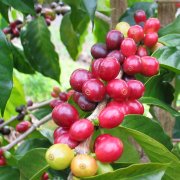
Indian monsoon coffee beans are slippery and delicious, with even granules.
Slippery and delicious coffee with uniform granules. There are several reasons why Indian coffee is so popular with coffee hobbies, but the most important is a process used in coffee beans, often called the monsooning process. In the past, passengers or goods sailed to and from India, which took about several months to reach Europe. In transit due to

Introduction of Asian Coffee Flavor and Coffee producing area name
Coffee production in Asia is second only to Central and South America. Indonesia has always been the largest coffee producer in Asia, but this situation has changed greatly in recent years. With the assistance of the World Bank, Vietnam's production expanded rapidly and officially squeezed out of Indonesia in 1999 to become the largest coffee producer in Asia. However, Vietnam mainly pulls beans, which does not belong to the category of boutique coffee. In 2007, Wannan produced 957000 tons.

The characteristics of Indian coffee legendary: Indian monsoon Malaba coffee is Indian coffee good?
Before the Indian monsoon Malaba Coffee, a tweet about the history of coffee species: it is amazing that 90% of the world's coffee originated from the same coffee tree! It was said that coffee originated in Ethiopia, and Arab businessmen brought it to Yemen, and then a thousand years later, because of a legendary love story, a Yemeni woman risked death to give coffee seeds to the prince of India.

The unique flavor of Indian monsoon stains is good for the taste of wind-stained Malaba coffee beans.
There are several reasons why Indian coffee is so popular with coffee lovers, but the most important one is due to a process used on coffee beans, often called the monsooninR process. In the past, it took about a few months for passengers or goods to travel to and from India by sailboat.